Project overview
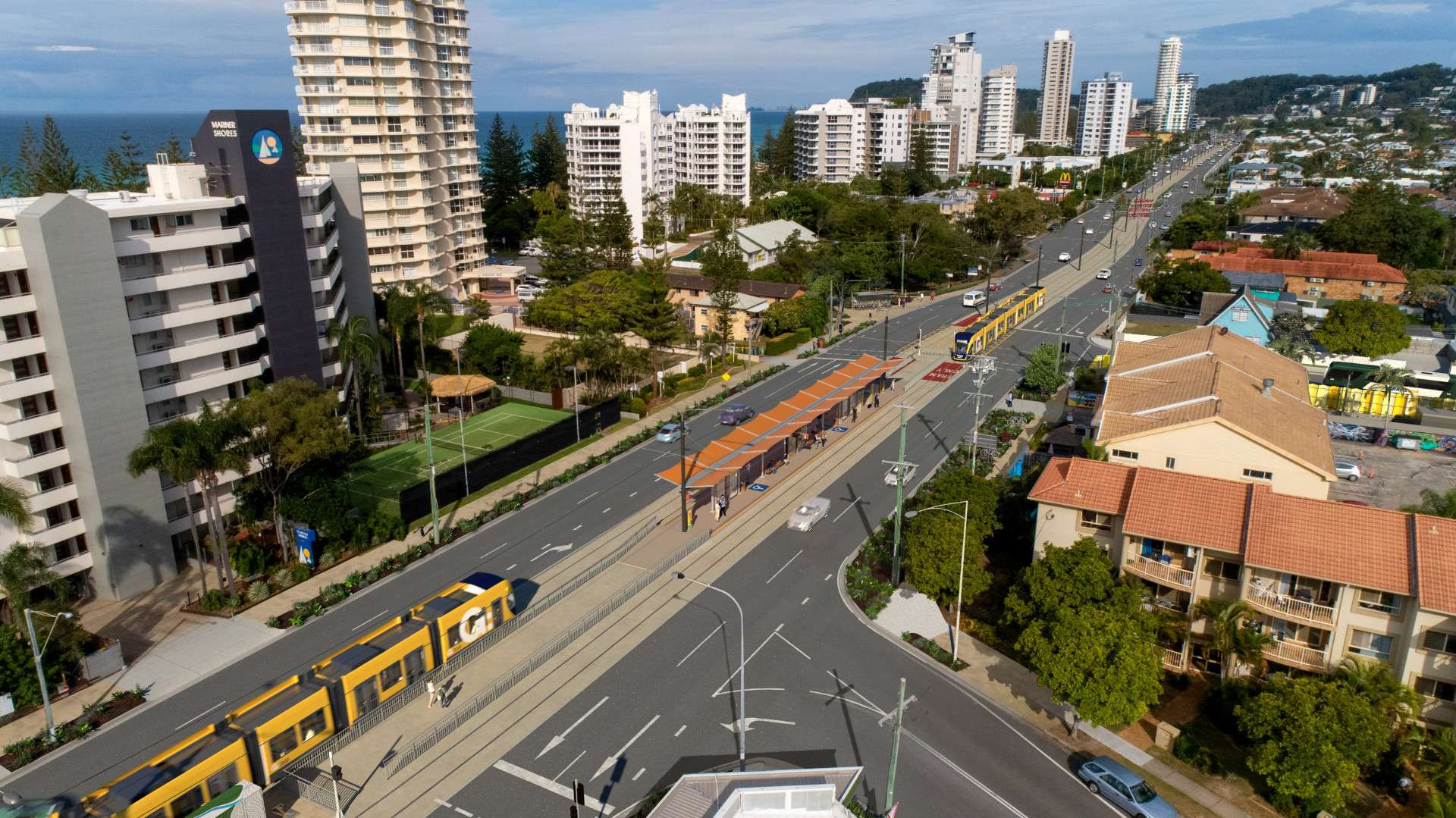
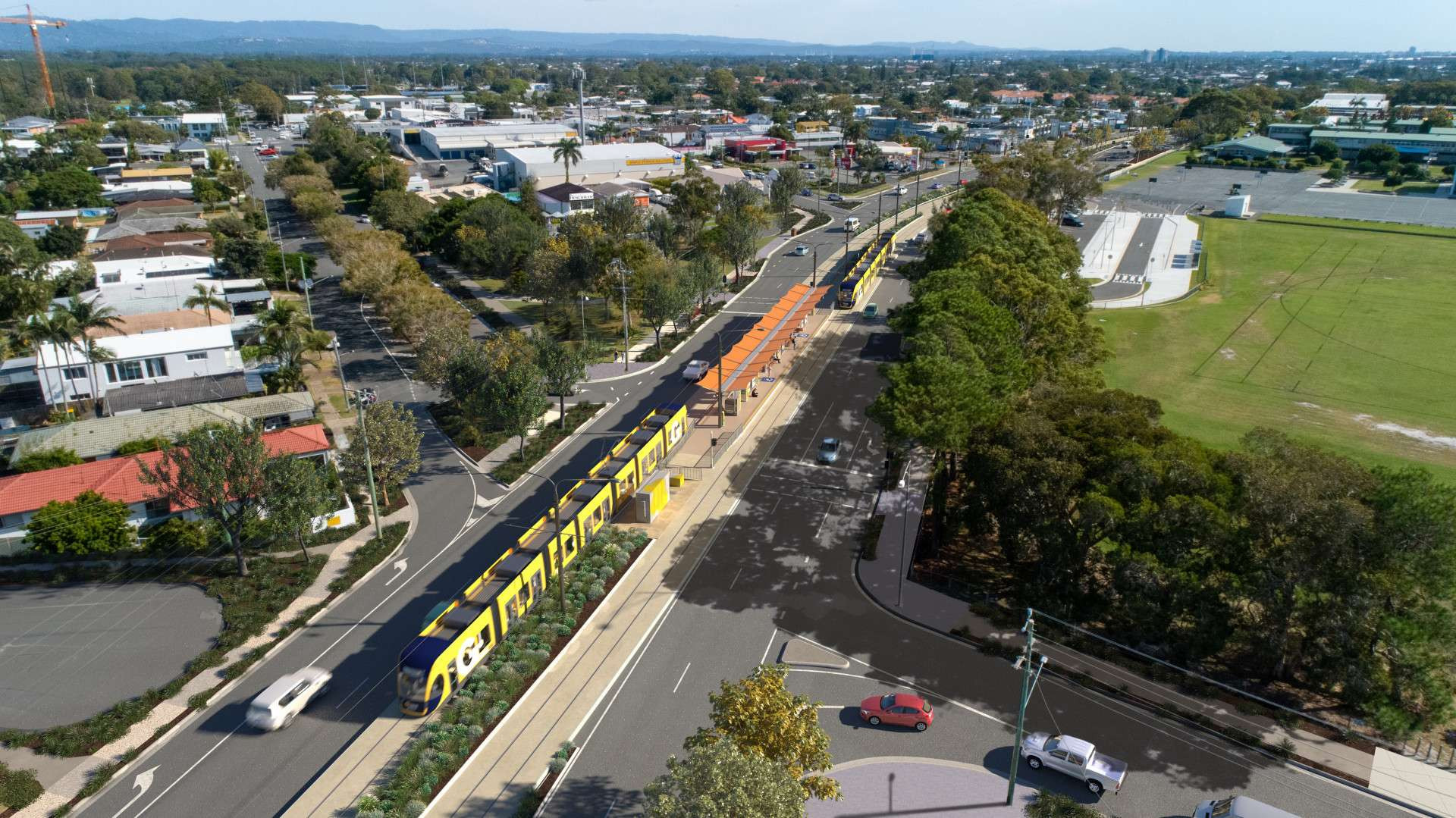
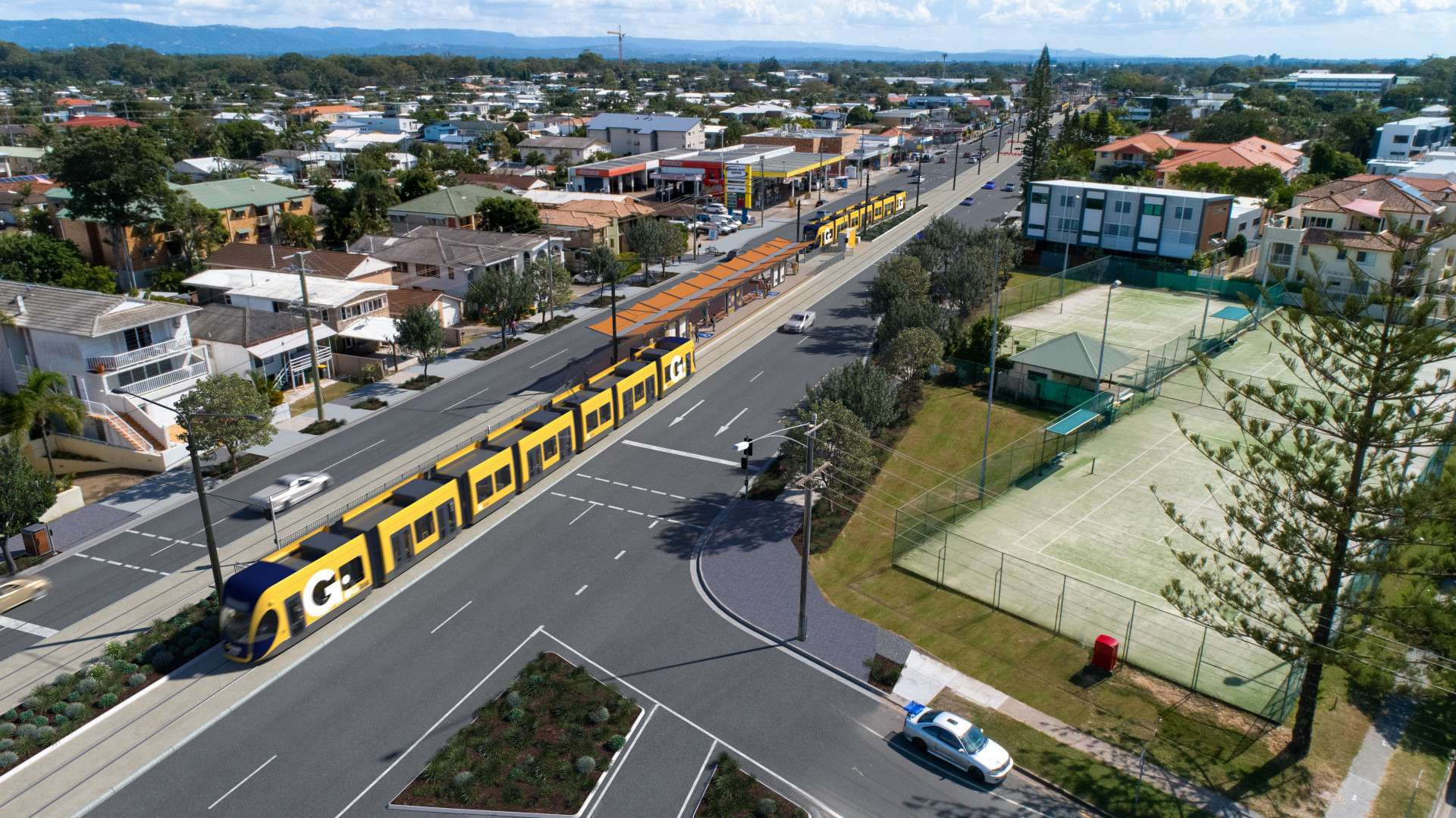
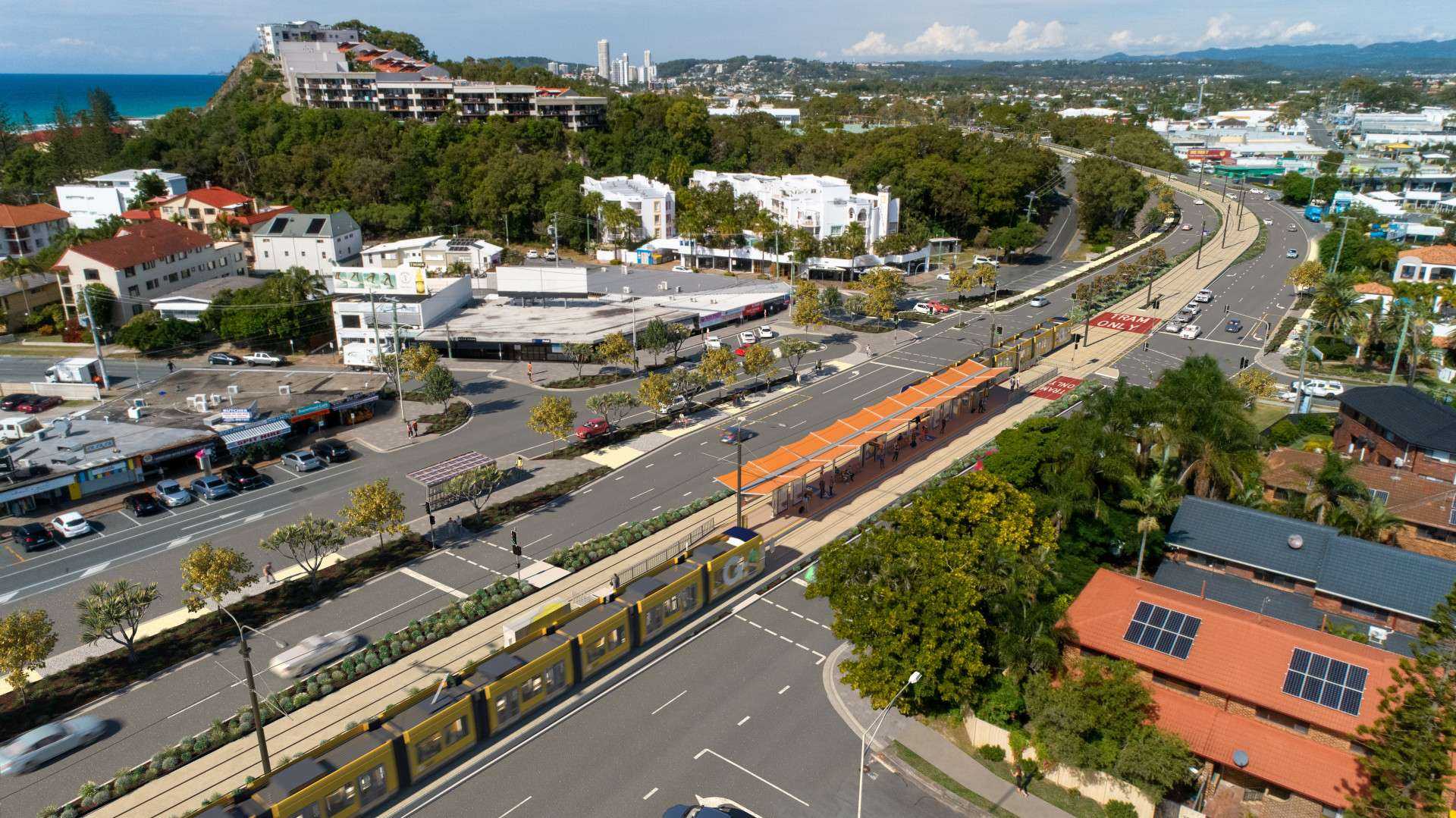
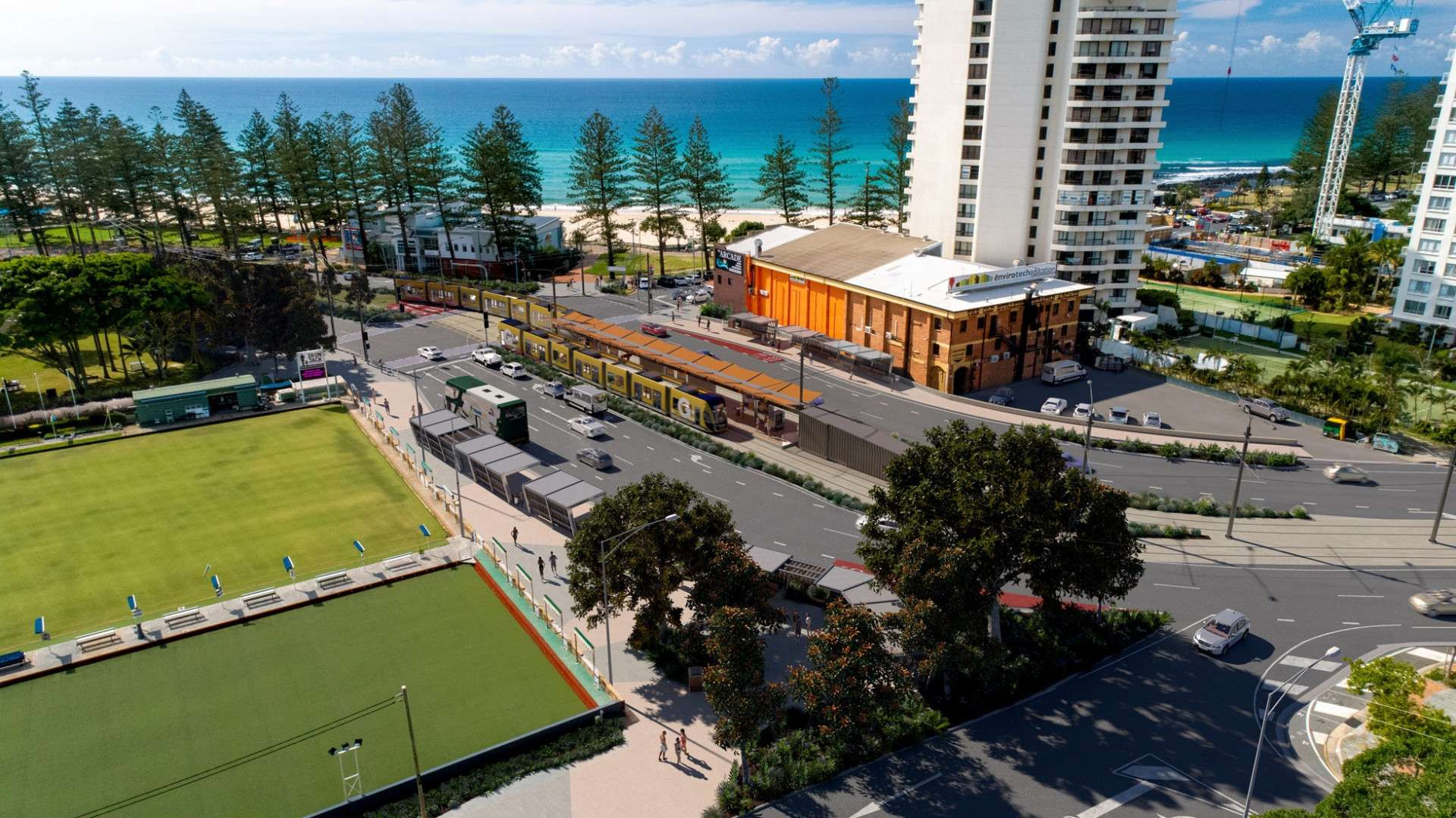
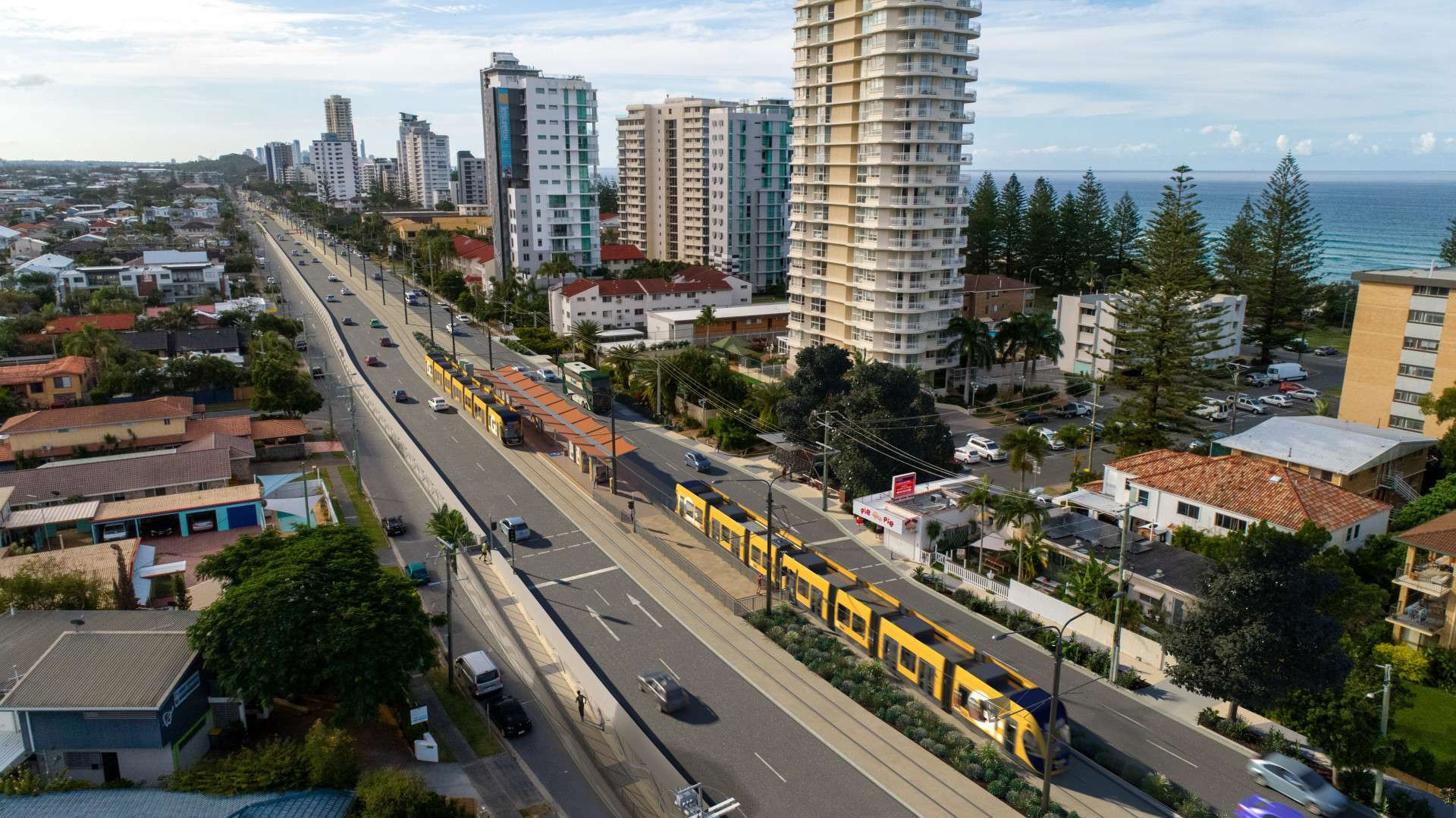
The Queensland Government, in partnership with the Australian Government and the City of Gold Coast is delivering Gold Coast Light Rail Stage 3 (Stage 3), extending the light rail network by 6.7 kilometres from Broadbeach to Burleigh Heads.
Project scope
Learn more about the project
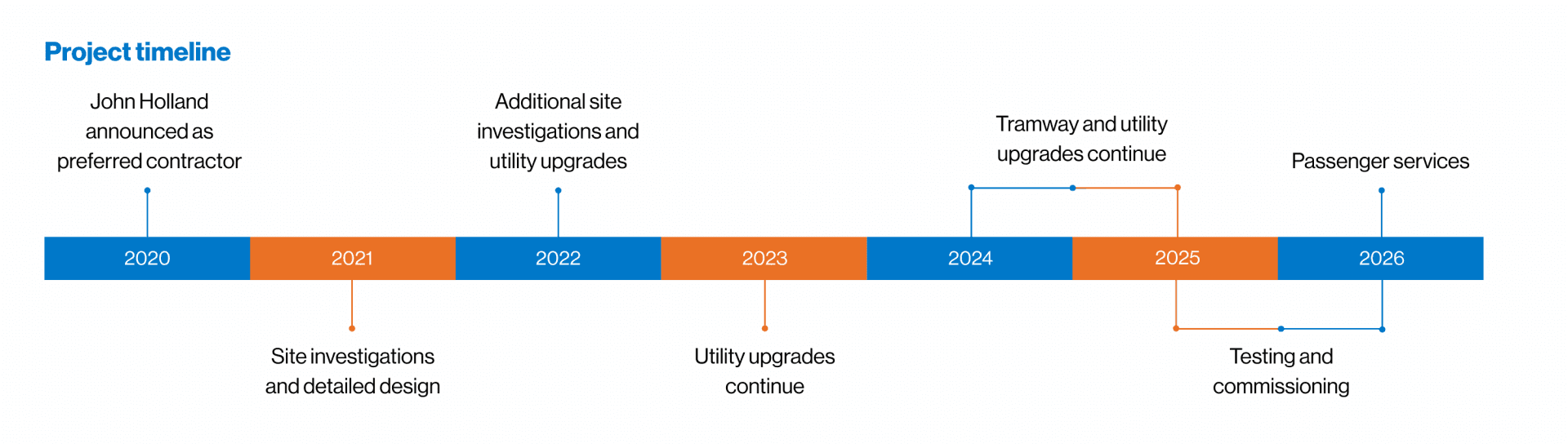
Stage 3 is now in the full alignment testing and commissioning phase, marking a significant step towards delivering a more connected and accessible Gold Coast. The project, from Broadbeach south to Burleigh Heads, will grow the city’s light rail network to 27 km, making it easier for residents and visitors to move along the coast while reducing pressure on local roads as the city continues to grow.
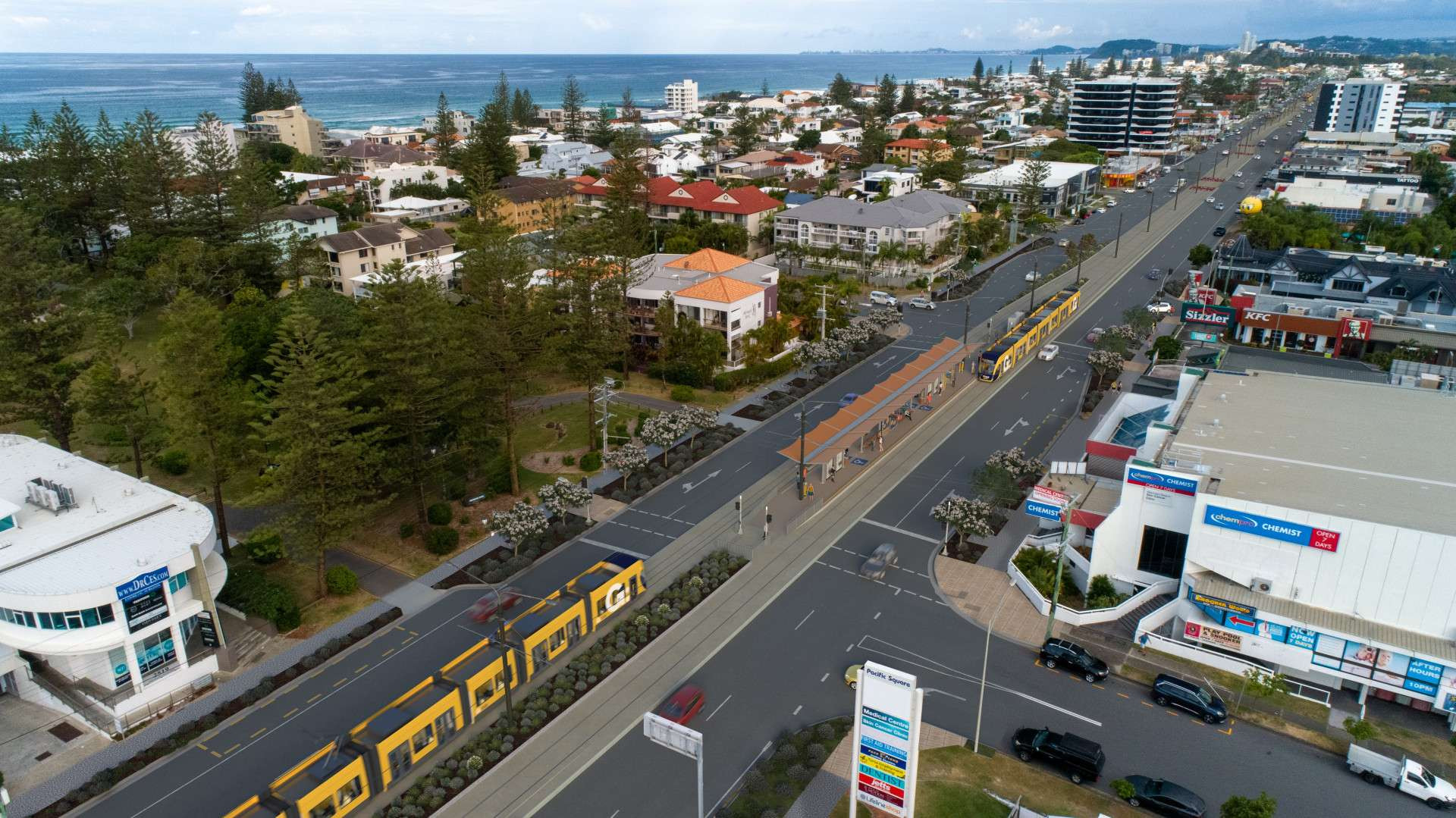
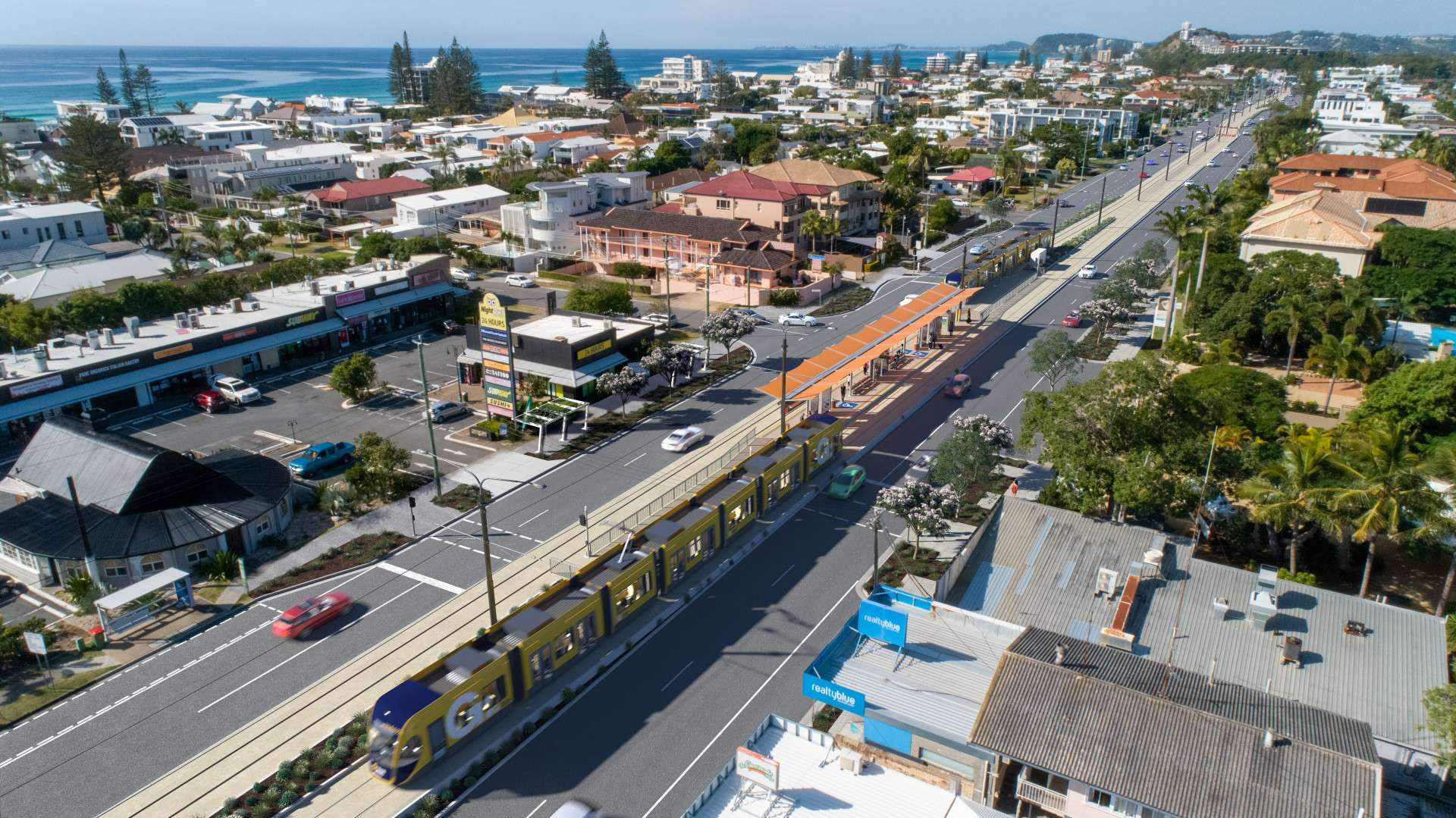
Stage 3 introduces eight new stations, increased capacity (with five new light rail vehicles), improved light rail and bus connections at Miami and Burleigh Heads, and enhanced pedestrian and cycling infrastructure, and builds on the success of Stages 1 and 2. These upgrades are designed to improve everyday journeys, support safer travel and enhance the liveability of surrounding precincts.
The new extension will enable passengers to travel from Broadbeach to Burleigh Heads in about 17 minutes, supporting local businesses, encouraging visitation and helping shape a more connected, vibrant and sustainable city for the future.
Key features

6.7 kilometres of dual track

Eight new light rail stations

Five new trams

More than 760 local jobs

Upgraded precincts, infrastructure and transport hubs
For more information on Gold Coast Light Rail planning, design and future stages, visit the Queensland Government's Transport and Main Roads website.
Transport and Main Roads
Project timeline
Project delivery
John Holland is GoldLinQ chosen contractor to deliver Gold Coast Light Rail Stage 3. John Holland has been operating in Australia since 1949, working across Australia, New Zealand and Southeast Asia.
Specialising in design, construction and property development across the following industries:
Infrastructure
Rail, including light rail
Tunnelling
Commercial buildings
Major projects